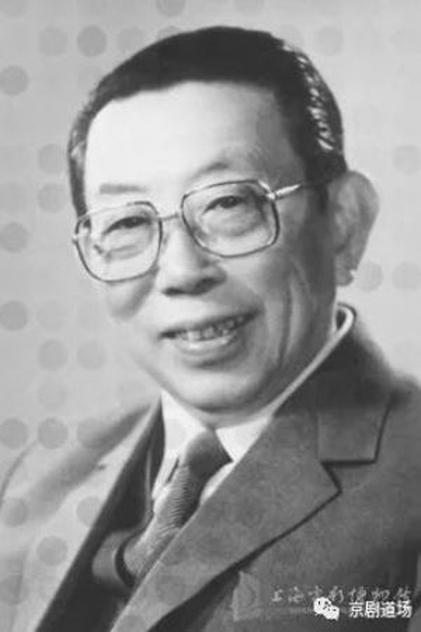
Cheng Zhi
Interprétation
Naissance : 3 février 1926 · Wuhan, Hubei Province, China · Décès : 14 février 1995
Zhi Cheng Zhi was born on February 3, 1926 in Wuchang, Hubei. Two years later he moved to Shanghai with his grandfather, tenth-ranking scholar. Grandfather was proficient in poetry, calligraphy, and seal engraving. At the end of the Qing Dynasty, he was the supervisor of the Yuelu Academy in Hunan. He has more than ten albums, and has compiled and published many representative works of the Tan School. He was employed as a librarian in the Shanghai Museum of Cultural History in the late 1950s. Young Zhi Cheng has loved Peking Opera since he was young. He returned to La Jinghu without a teacher at the age of six. He broadcasted on the radio at the age of eight and sang Peking opera. At the age of eleven, he produced the Peking Opera record "Yu Guo Yuan". After graduating from high school in 1944, Cheng was admitted to the Fudan Department of Economics. Because of his passion for acting, he participated in a charity fundraising event sponsored by Shen Bao at the time during his studies in Fudan. The repertoire for the free performance is "Rich Clouds", directed by Huang Zuolin. On January 1, 1945, Cheng Zhi dropped out of school to perform a drama. He joined the hard work troupe led by Huang Zuolin and has since embarked on an acting career that he has worked for all his life. In 1947, Cheng Zhi entered Mandarin Pictures. The first film he participated in was "Fake Phoenix", in which he played "Hairdresser No.5". In the film, the hairdresser No.5 sang a popular song of self-singing and singing, which left a deep impression on the audience. impression. After succesuful debut Zhi Cheng shot more than a dozen films such as "Night Club" and "Corrosion". In 1952, eight private film companies in Shanghai merged to form the Shanghai United Film Studio. In 1953 "Lianying" was incorporated into the Shanghai Film Studio. During this period, Zhi Cheng has participated in the filming of "My Life" and "Related Directors". In the mid-fifties, Cheng Zhi donated airplane cannons to perform Beijing opera "Empty City Plan" and "Capturing Cao", etc., and recorded the radio programs Peking Opera chanting and cross talk for Taiwan People's Broadcasting Station and Fujian People's Broadcasting Station. To enable the people of Taiwan to understand the motherland and contribute to the exchanges across the Taiwan Straits. The Cultural Revolution began in 1966, Zhi Cheng was not spared, and the revolutionary masses became "objects of revolution" overnight. In July 1967, he was ordered to stay in the factory to inspect and participate in the so-called "study class", that is, the "isolation review" in disguise. One pass was ten months. In May 1968, the class ended. In 1969, a large number of people in the film system were decentralized to work in the "May 7th" cadre school in Fengxian. Zhi Cheng was still the "censorship object" and worked in the "cadre school" for four years.
Films
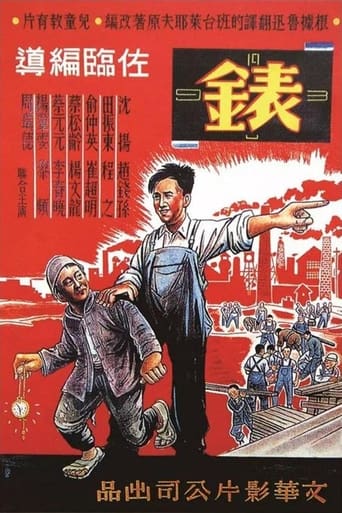 錶1949
 哀樂中年1949
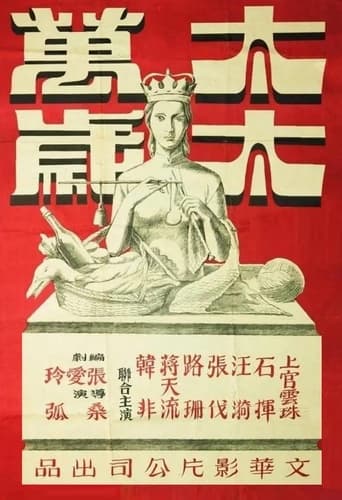 太太萬歲Shi Guang1947
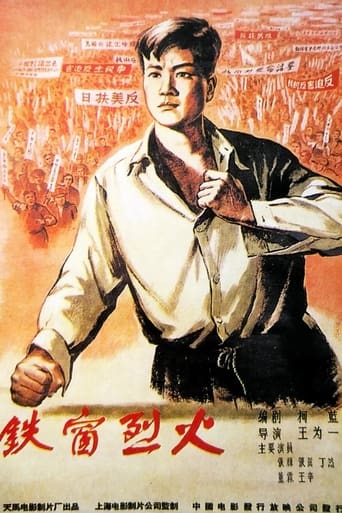 铁窗烈火Yuehan Sheng1958
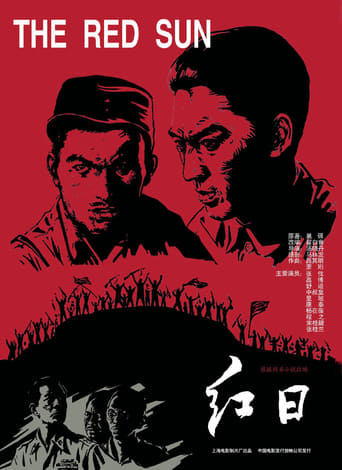 红日1963
 家Gao, Kean (Fourth Young Master)1957
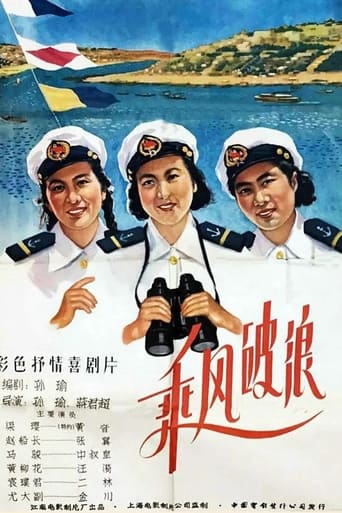 乘风破浪Doctor Niu1958
 表1949
 腐蚀1950
 鸡毛信Zui Wai1954
 夜店1947
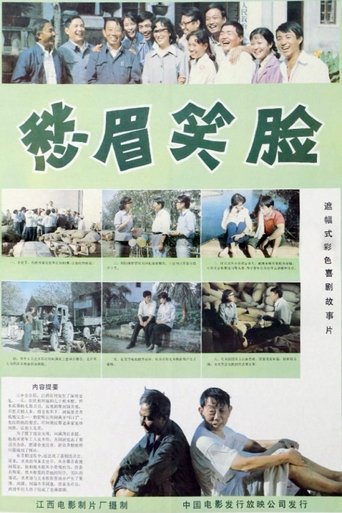 愁眉笑脸1984
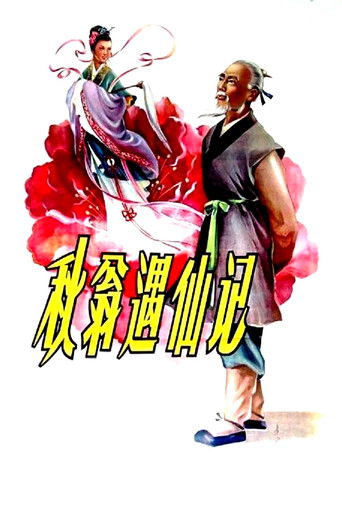 秋翁遇仙记Clerical Officer / Qiu Weng1956
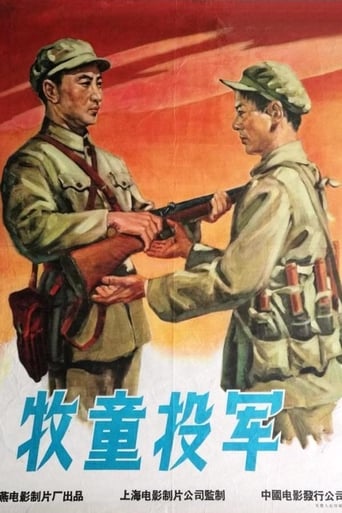 牧童投军Chief of staff of enemy1958
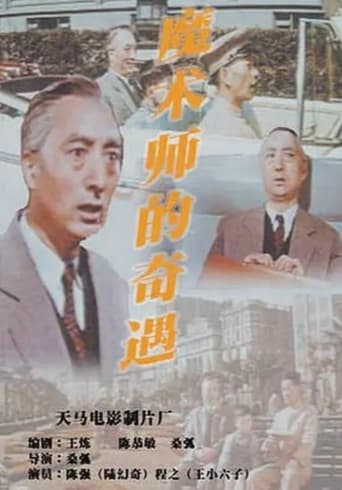 魔术师的奇遇Xiaoliuzi Wang1962
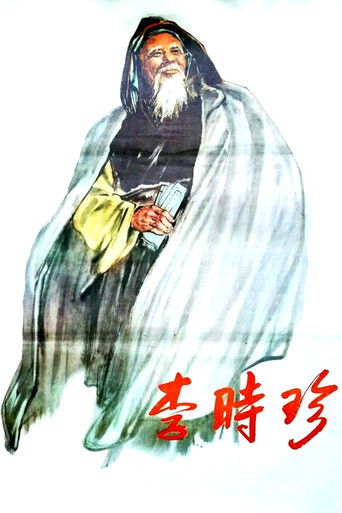 李时珍1956
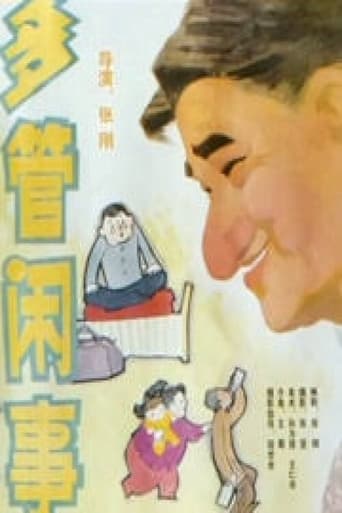 多管闲事钟有德1991
 Kai qiang, wei ta song xing!1982
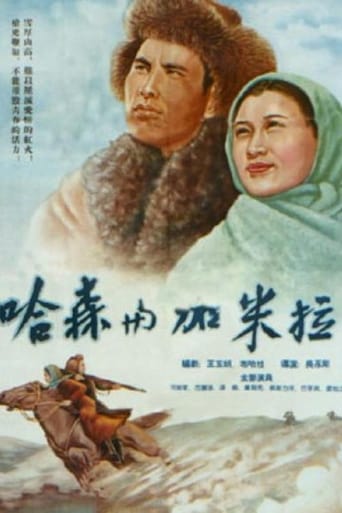 哈森与加米拉Dai Da1955
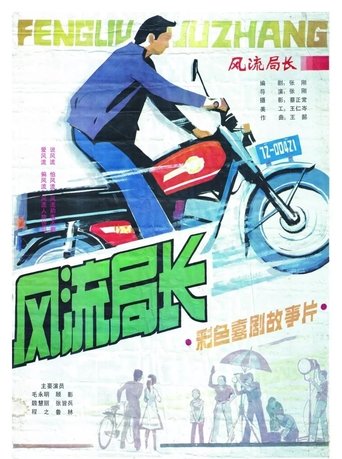 风流局长尤老运1985
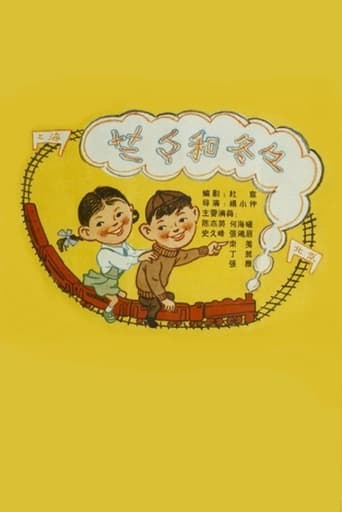 兰兰和冬冬Ke Xizhuang1958
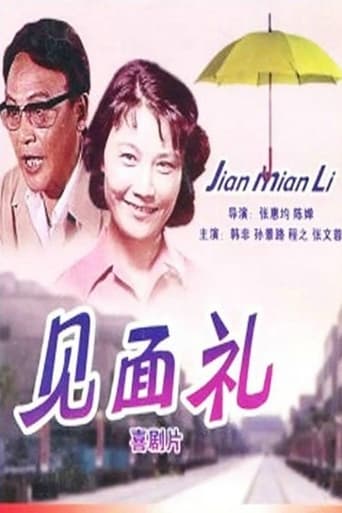 见面礼1979
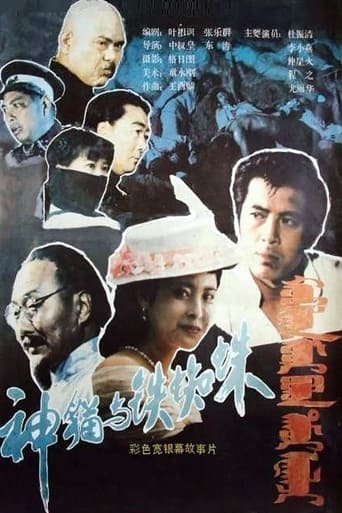 神猫与铁蜘蛛1989
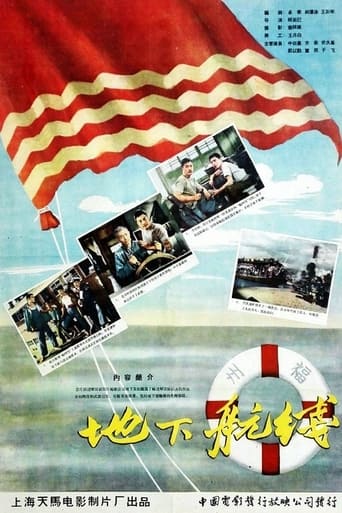 地下航线Manager Zhu1959
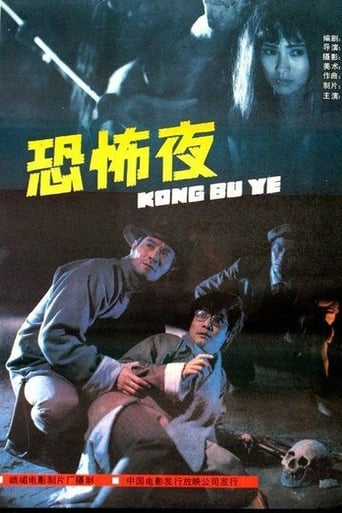 恐怖夜1988
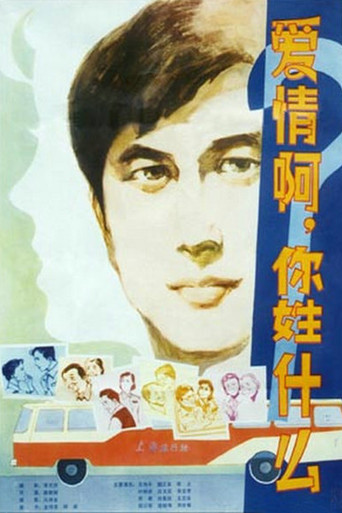 爱情啊,你姓什么?Lin Cheng1980
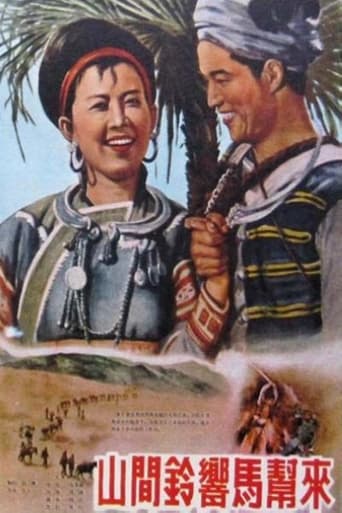 山间铃响马帮来Bi Gen, captain of enemy1954
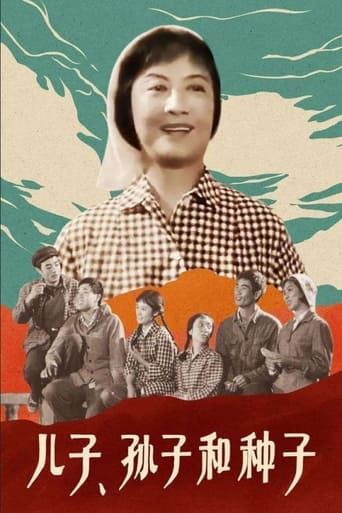 儿子、孙子和种子1978
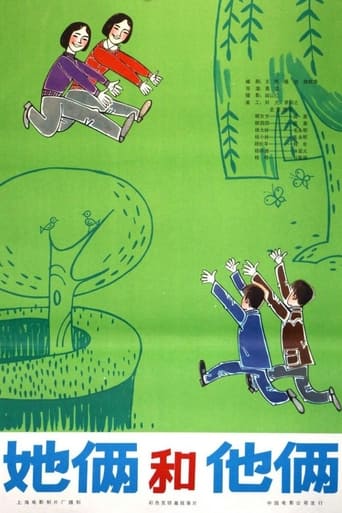 她俩和他俩1979
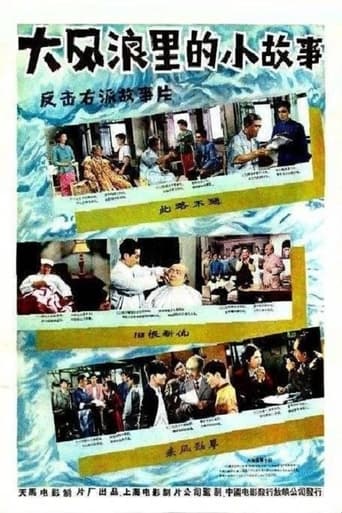 大风浪里的小故事钱教授1958
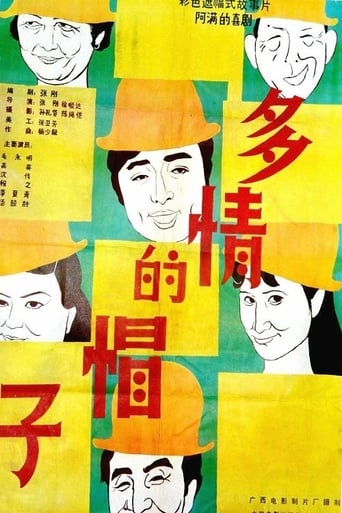 多情的帽子老舅1986
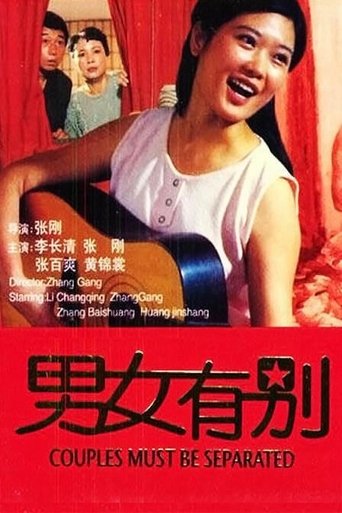 男女有别1988
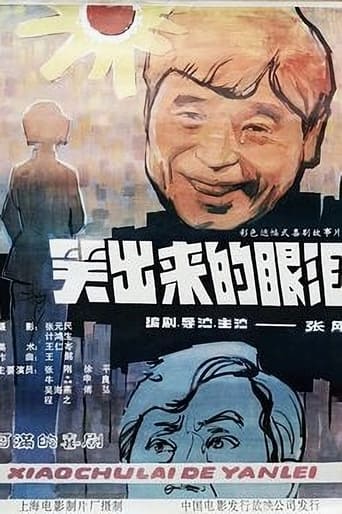 笑出来的眼泪1988
 铁道游击队鬼子甲1956
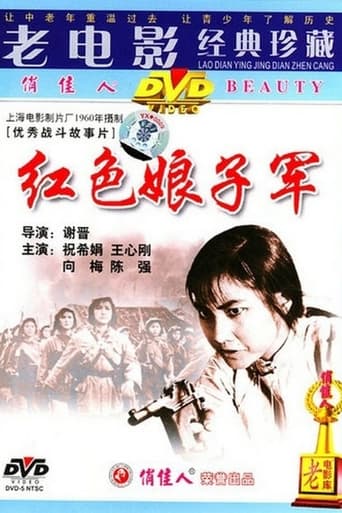 Le Détachement féminin rougeOld Army Doctor1961
 欢腾的小凉河白汉成1976
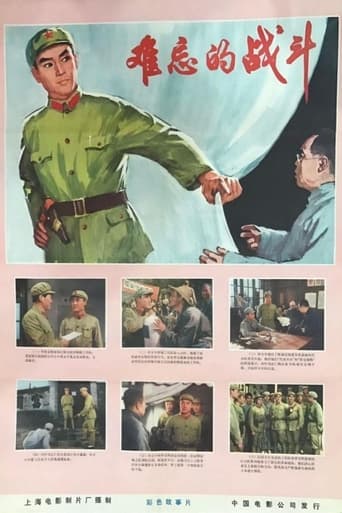 难忘的战斗1975
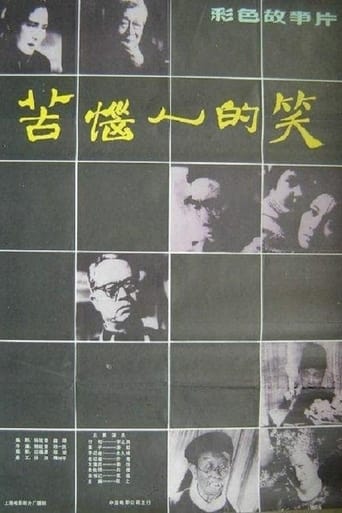 苦恼人的笑1979
 Ma vie1950
 笔中情齐慎1982
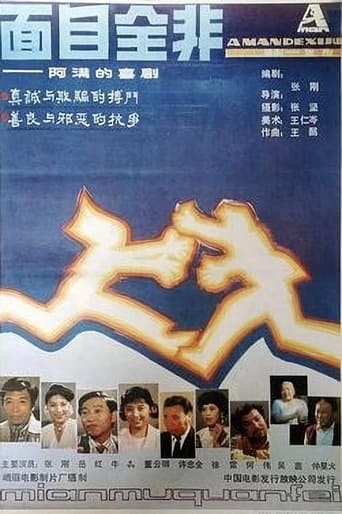 面目全非1990
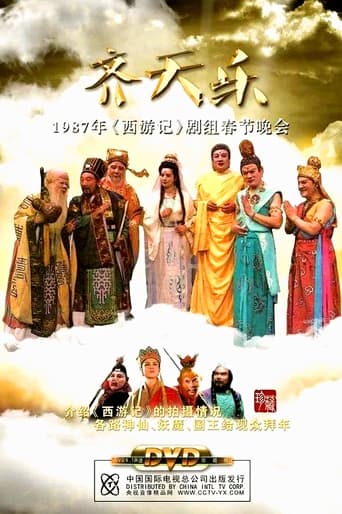
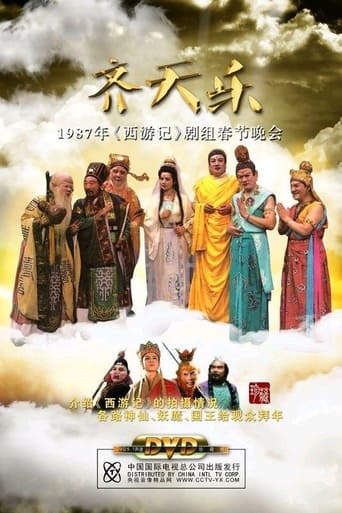 齐天乐春节晚会1987
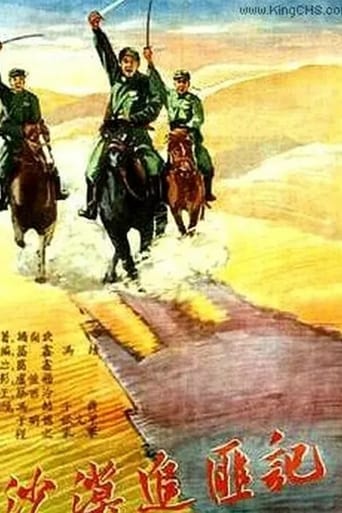 沙漠追匪记1959
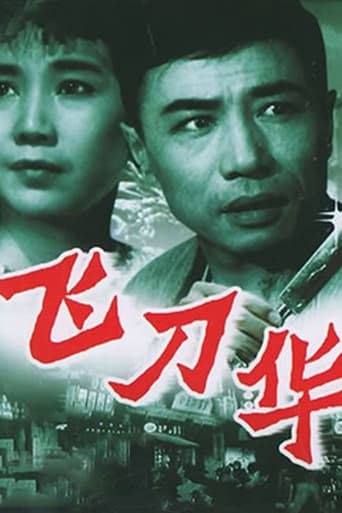 The Knife-Thrower1963
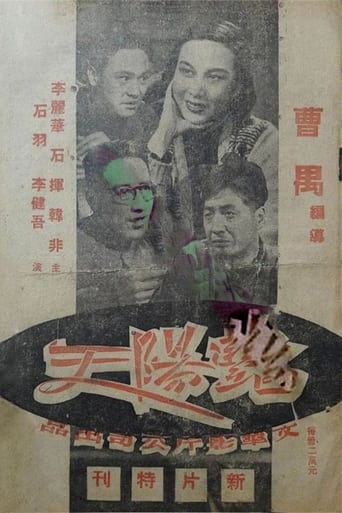 豔陽天1948