Jan Jakub Kolski
Réalisation
Naissance : 29 janvier 1956 · Wroclaw, Dolnoslaskie, Poland
Jan Jakub Kolski (born 29 January 1956) is a Polish film director, cinematographer, and writer. Kolski was born in Wrocław, and comes from a family closely connected to cinema. His father, Roman Kolski, and his sister, Ewa Pakulska were film editors. His brother, Włodzimierz Kolski, is a production manager. His paternal grandfather was a film producer. Kolski's wife, Grażyna Błęcka-Kolska is an actress. From age eleven until age fourteen, Kolski lived in a small village, Popielawy, near Tomaszów Mazowiecki and Łódź. Those years became the inspiration for his later films. During the late 1970s, he worked his way through the ranks at a TV station in his home town, ending up as chief director of photography. He then studied cinematography at the famous Film School in Łódź, where he now runs a screenplay workshop. In 2007 he gained his doctoral degree in film art. He's also a lecturer at Andrzej Wajda Master School of Film Directing. During the 1980s, Kolski made about twenty short films, including Umieranko (A Little Dying); Najpiękniejsza jaskinia świata (The Most Beautiful Cave in the World); Mały dekalog (The Little Ten Commandments), Nie zasmucę serca twego (I Won't Make You Sad), Jak mnie kochasz (How Do You Love Me?), Szkoła przetrwania (The Survival School), Pałkiewicz ma rację (Palkiewicz Is Right), Słowiański świt (The Dawn of the Slavonic Tribes), Ładny dzień (A Nice Day), Idź (Walk). The shorts won many awards in Poland. Many of Kolski's short films documented his passion for mountain climbing and speleology, which earned him a nickname 'The Stuntman of the Polish cinematography'. More recently, Kolski created three film diaries: Zobaczyc jak najwiecej (To see everything), Gdzie jestes Paititi? (Where are you, Paititi?) and Między rajem a ziemią (Between Paradise and Earth) during his journeys to Asia and South America. Kolski's first feature, Pogrzeb kartofla (The Burial of a Potato), was shot in Popielawy in 1990, and was based on a real story of Kolski's maternal grandfather, Jakub Szewczyk. In that movie, as well as in his subsequent films, Kolski employed his own vision of the world enriched with magic, and is considered to be the founder of the 'magical realism' trend in Polish film making. Since then, Kolski has made many more films, most of them located in the same village or mythical countryside. Among those films are: Pograbek (A Knacker); Magneto; Jańcio Wodnik (Johnnie Aquarius aka Johnnie Waterman); Cudowne miejsce (A Miraculous Place); Grający z talerza (Playing from the Plate); Szabla od komendanta (The Commander's Sword aka Legacy of Steel); and Historia kina w Popielawach (The History of Cinema in Popielawy), which were all based on Kolski's own script. In 1994 Jańcio Wodnik won the Findling Award at the Filmfestival Cottbus.
Films
 La Pornographie2003
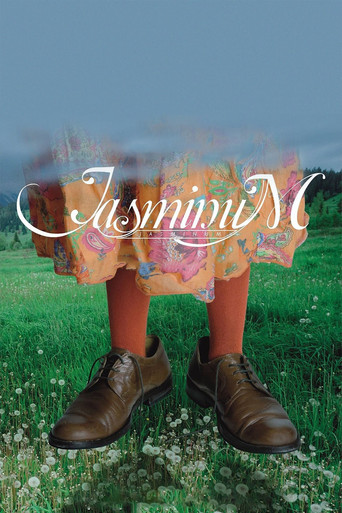 Jasminum2006
 Daleko od okna2000
 Zabić bobra2012
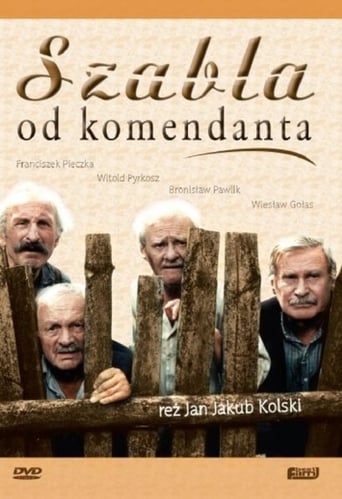 Szabla od komendanta1996
 Pogrzeb kartofla1990
 Serce, Serduszko2014
 Grający z talerza1995
 Ułaskawienie2019
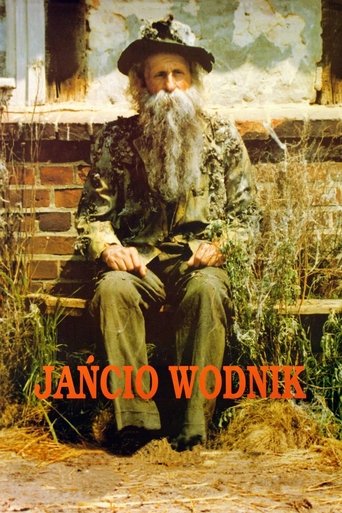 Jańcio Wodnik1994
 Historia kina w Popielawach1998
 Afonia i pszczoły2009
- Inauguracja 821983
- Solidarność, Solidarność...2005
 Wenecja2010
 Pograbek1993
 Las, 4 rano2017
- Miedzy rajem a ziemia2003
- Slowianski swit - poczati polski1986
 Wariaci2024
 Republika dzieci2021
- Cudowne miejsce1994
 Umieranko1984
 Ładny dzień1988
- Zobaczyc jak najwiecej2001
- Wielki woz2005
- Gdzie jestes Paititi?2002
- Namibia2005
- Magneto1998
 ojDADAna1996
- Jak mnie kochasz1985
