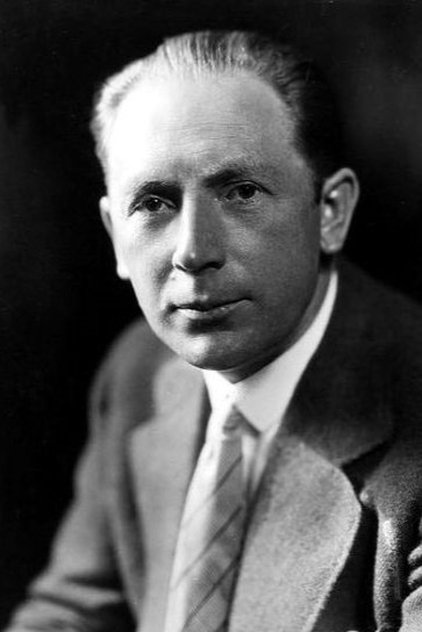
F. W. Murnau
Réalisation
Naissance : 28 décembre 1888 · Bielefeld, North-Rhine-Westphalia, Germany · Décès : 11 mars 1931
Friedrich Wilhelm “F. W.” Murnau (December 28, 1888 – March 11, 1931) was one of the most influential German film directors of the silent era, and a prominent figure in the expressionist movement in German cinema during the 1920s. Although some of Murnau’s films have been lost, most still survive. While the horror film Nosferatu (1922) is his most famous work, the romantic melodrama Sunrise: A Song of Two Humans (1927) is his critically most acclaimed; the British Film Institute's 2012 Sight & Sound critics' poll named it the fifth-best film in the history of motion pictures. Murnau's characteristics are an atmospheric imagery and an innovative use of camera movement. Andrew Sarris in his influential book of film criticism The American Cinema: Directors and Directions 1929–1968 included him in the "pantheon" of the 14 greatest film directors who had worked in the United States.
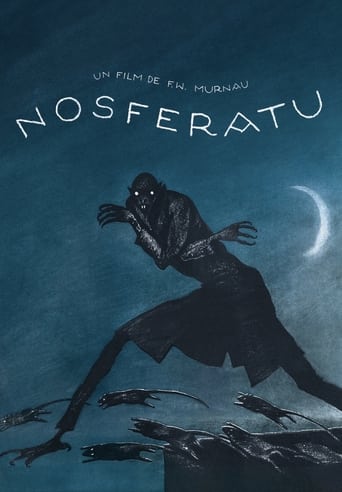 Nosferatu1922
 L'Intruse1930
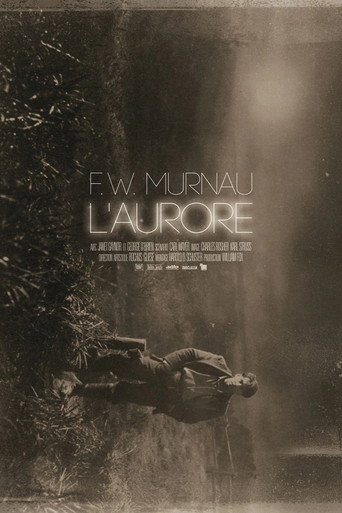 L'Aurore1927
 Le Dernier des hommes1924
 Faust, une légende allemande1926
 Tabou1931
 Synthwave Horror: Nosferatu2023
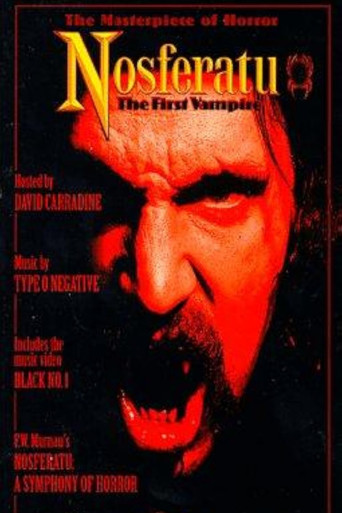 Nosferatu: The First Vampire1998
 Abend – Nacht – Morgen1920
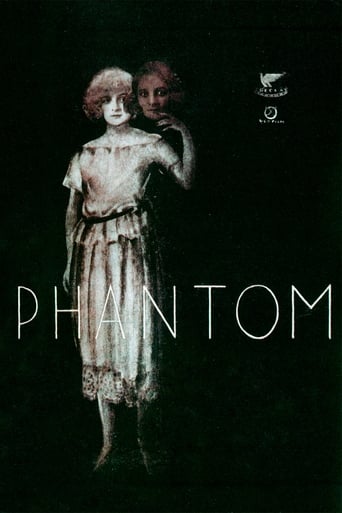 Le Fantôme1922
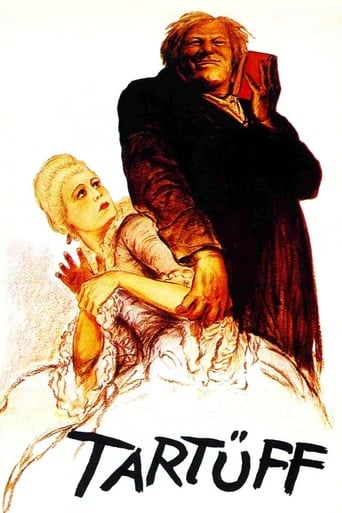 Tartuffe1926
 Treibjagd in der Südsee1940
 Les Finances du grand-duc1924
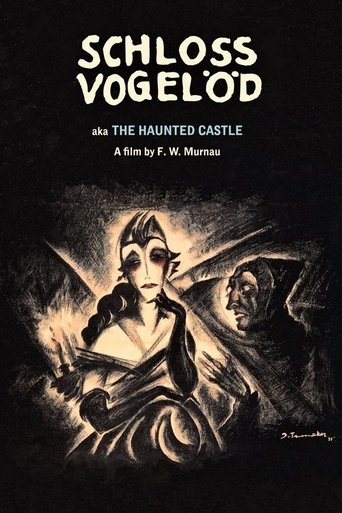 La Découverte d'un secret1921
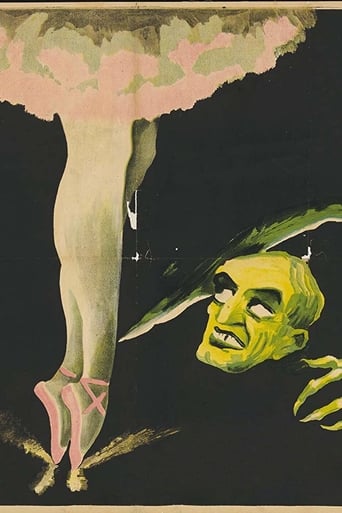 Der Bucklige und die Tänzerin1920
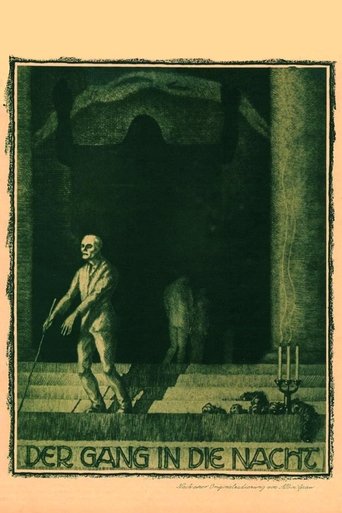 Der Gang in die Nacht1921
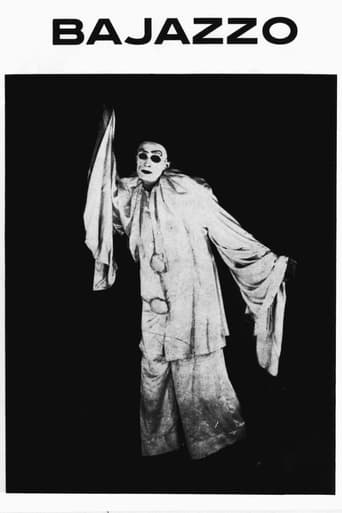 Sehnsucht1921
 Der Knabe in Blau1921
 Marizza, genannt die Schmuggler-Madonna1922
 4 Devils1928
 La Terre qui flambe1922
 Der Janus-Kopf1920
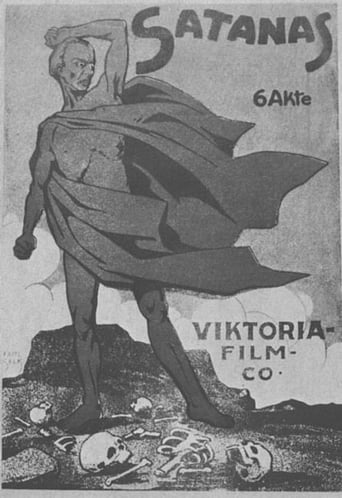 Satanas1920
- Die Austreibung1923
 Die zwölfte Stunde1930